What Does a Typical Brazilian Jiu-Jitsu Class Look Like at Gracie Jiu-Jitsu Singapore?
Head Instructor, Black Belt in BJJ & Judo
One of the most common questions we receive from new students and parents is: "What does a typical Jiu-Jitsu class look like?"
At Gracie Jiu-Jitsu Singapore, our classes follow a structured, progressive teaching approach designed to help students develop technical skills, confidence, physical fitness, and a deeper understanding of Brazilian Jiu-Jitsu.
While every class is different, our teaching methodology remains consistent. Each session combines physical preparation, technical instruction, and practical application through various forms of sparring.
Most importantly, our classes are not isolated lessons. They are part of a long-term learning process in which techniques, concepts, and skills are continuously introduced, revisited, refined, and connected.
Class Duration and Structure
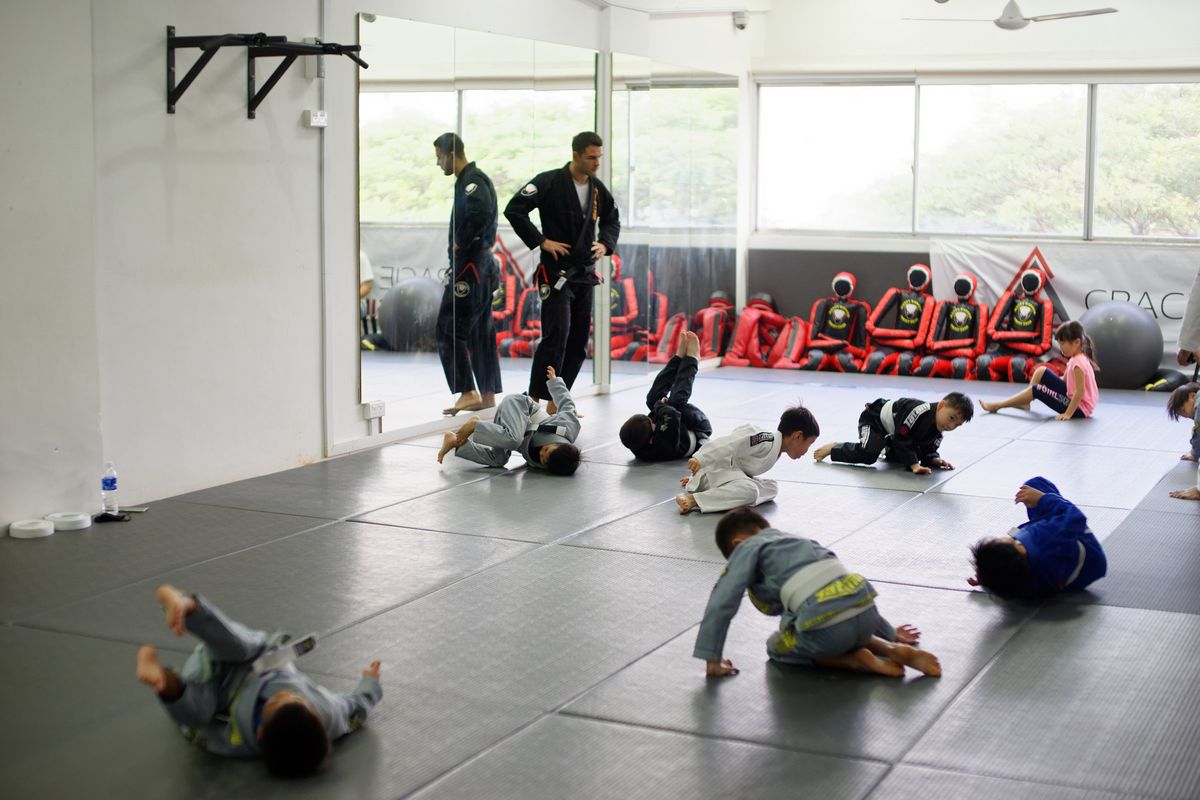
Our adult classes are 90 minutes, while our children's classes are 55 minutes.
Both follow three main components:
Warm-Up
We begin with a warm-up to prepare students physically and mentally for training. Depending on the class, this may include general mobility exercises, coordination drills, movement patterns, and Jiu-Jitsu-specific movements.
Technical Instruction
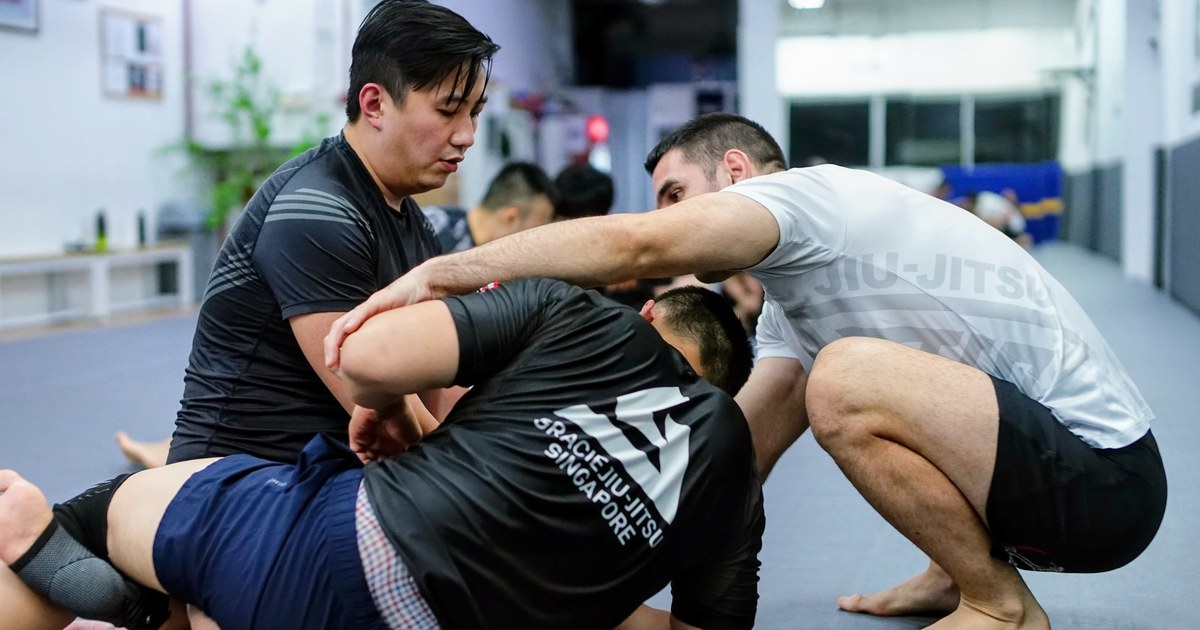
The coach introduces and demonstrates techniques, explaining their mechanics, purpose, and practical applications.
Students then practise these techniques with a partner under the coach's supervision, receiving guidance and corrections throughout the process.
Sparring and Practical Application
The final part of the class allows students to apply what they have learned against varying levels of resistance.
Depending on the lesson's objectives, this may involve controlled positional sparring, specific training scenarios, or full sparring.
For children's classes, a typical 55-minute session consists of approximately:
- 10 minutes of warm-up
- 25 minutes of technical instruction and drilling
- 20 minutes of sparring and practical application
These timings are approximate and may vary depending on the lesson.
Adult classes follow the same general structure over 90 minutes, allowing additional time for technical exploration, drilling, and sparring.
Every Class Is Different, but Every Class Is Connected
One of the most important aspects of our teaching methodology is progressive learning.
We do not approach each class as an independent session where students simply learn a random collection of techniques.
Instead, our curriculum is designed to connect lessons over time.
A technique introduced in one class may be explored through additional variations later in the week. The following week, students might revisit the same position, develop a deeper understanding of its mechanics, or learn how it connects to another technique.
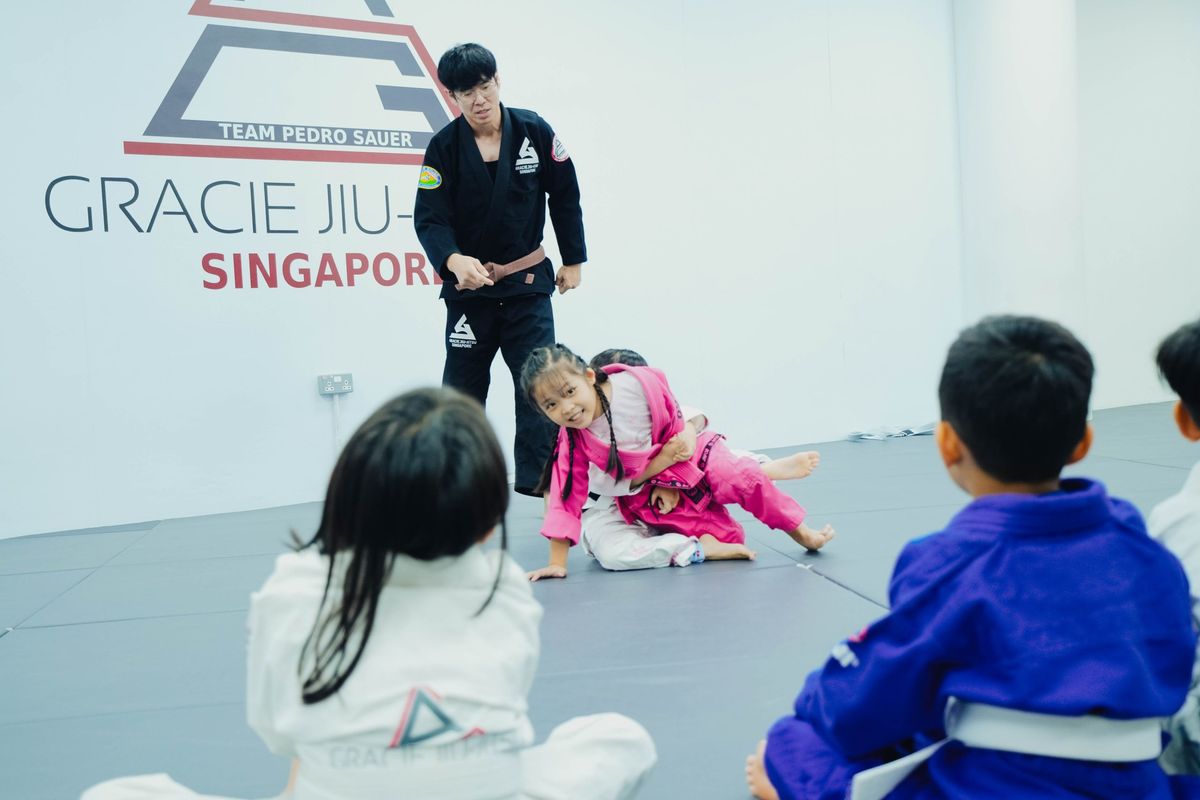
Over months and years, these individual lessons gradually form a comprehensive understanding of Brazilian Jiu-Jitsu.
Sometimes we introduce new techniques. Other times, we focus on strengthening and refining existing skills. Both are equally important.
Learning a technique for the first time is only the beginning. Developing the ability to apply it consistently, under resistance and against different training partners, requires repetition, experimentation, and time.
This philosophy applies to both our adult and children's programmes.
Different Types of Sparring, Different Learning Objectives
Sparring is an essential part of Brazilian Jiu-Jitsu, but not every sparring session has the same purpose.
At our academy, we use different training formats depending on the skills and concepts we want students to develop.
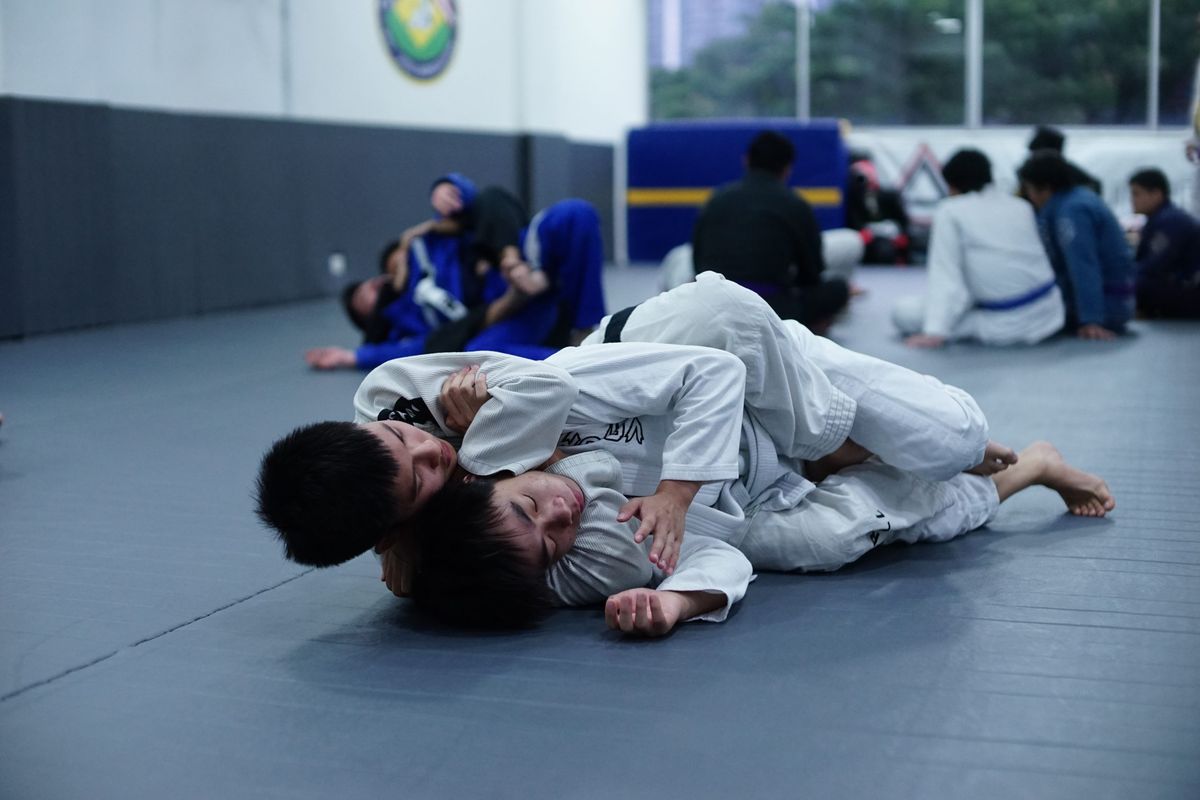
Positional Sparring
Students begin in a specific position, such as mount, side control, or closed guard, with clearly defined objectives.
Explore Our Programs
For example, one student may focus on escaping while the other practises maintaining control.
This allows students to develop specific skills through focused repetition.
Full Sparring
Students have greater freedom to apply their techniques, transition between positions, and develop their overall understanding of Jiu-Jitsu.
The level of intensity and permitted techniques are adjusted according to students' age, experience, and ability.
Standing Sparring
Some sessions focus on the standing aspect of grappling, including balance, grips, takedowns, throws, and takedown defence.
Defensive Sparring
Students may be placed in challenging positions where their primary objective is to defend, escape, or recover a safer position.
Offensive Sparring
Other sessions focus on developing attacking skills, such as establishing dominant positions, maintaining control, and creating submission opportunities.
By varying the training objectives, we help students become more complete and adaptable practitioners rather than relying on only a small number of familiar techniques.
Gi and No-Gi Training
Both our adult and children's programmes include Gi and No-Gi training.
In Gi classes, students wear the traditional Jiu-Jitsu uniform, which allows techniques involving grips on the jacket, sleeves, and trousers.
In No-Gi classes, students train in athletic clothing, typically a rash guard and shorts, with greater emphasis on body positioning, movement, and grips that do not rely on clothing.
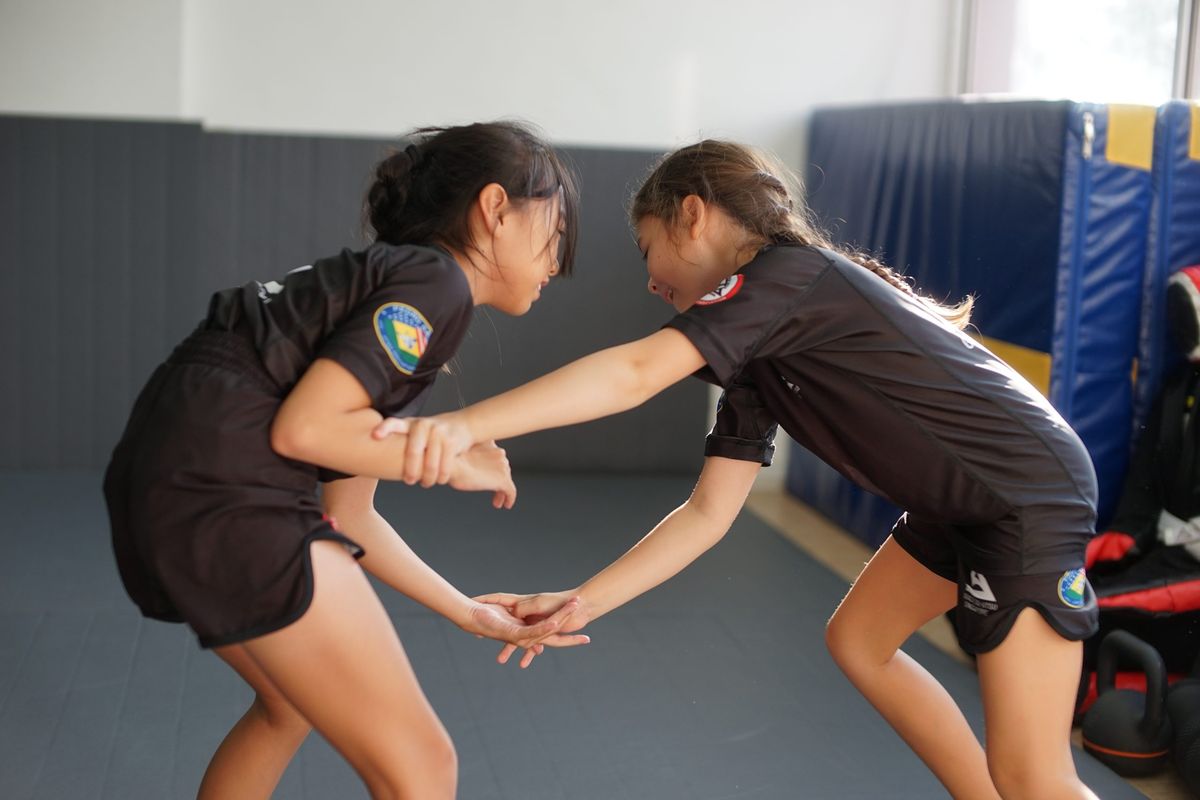
Although the two formats have technical differences, they share the same fundamental principles of leverage, balance, control, timing, and efficient movement.
By training in both formats, students develop a broader understanding of grappling and learn to adapt their techniques to different situations.
The Goal Is to Learn, Not to Win Every Sparring Round
Perhaps the most important principle we want our students to understand is that training is a place for learning, not a competition where winning every round is the ultimate objective.
Sparring provides an opportunity to experiment, make mistakes, test new techniques, identify weaknesses, and gradually improve.
A student who attempts a new technique and fails may learn more than someone who repeatedly succeeds using only familiar movements.
Similarly, spending an entire round defending against a more experienced partner can be extremely valuable, even if the student never gets an opportunity to attack.
We encourage students to approach sparring with curiosity, discipline, respect, and a willingness to learn.
This philosophy is particularly important in children's classes, where we want young students to understand that progress is not measured simply by how many times they submit their training partners.
Instead, we recognise improvement in technical understanding, effort, decision-making, resilience, self-control, and the ability to apply newly learned skills.
Winning is an outcome. Learning is the objective.
A Long-Term Approach to Development
Brazilian Jiu-Jitsu is a complex martial art that takes years to develop and a lifetime to master.
For this reason, our teaching methodology focuses on long-term development rather than short-term results.
A student may encounter the same position many times throughout their journey, but their understanding of it will continue to evolve.
A beginner might first learn how to escape from mount. Later, they may explore more advanced escapes, combinations, counters, and transitions. Eventually, they develop the ability to recognise opportunities and respond instinctively during live training.
The same principle applies to children. As they grow, mature, and gain experience, they revisit familiar concepts at increasingly sophisticated levels.
This is why consistency matters.
Each class contributes to a larger learning process, whether the student is attending their first lesson or has been training for many years.
What Should New Students and Parents Expect?
For new students, there is no expectation to arrive with previous martial arts experience or a particular level of fitness.
Our coaches guide students through the exercises, explain techniques, and adapt training activities according to age, experience, and ability.
For parents, it is important to understand that children's progress is not always immediately visible through victories or submissions.
Sometimes progress means remembering a technique, improving coordination, becoming more confident, learning to remain calm under pressure, or demonstrating greater discipline and respect toward training partners.
These achievements are just as meaningful as technical success.
Our objective is to create an environment where students feel challenged, supported, and motivated to keep improving.
Final Thoughts
At Gracie Jiu-Jitsu Singapore, we believe that effective martial arts education requires more than simply demonstrating techniques.
It requires a structured curriculum, consistent practice, appropriate challenges, and an environment that encourages learning.
Whether students train in Gi or No-Gi, attend children's or adult classes, practise new techniques or revisit familiar ones, every session contributes to their long-term development.
No two classes are exactly the same, but every class is part of the same journey.
And above all, we want our students to remember one simple principle:
Come to class to learn, not just to win.
Interested in experiencing our classes? Explore our programmes and arrange a trial class with us.
Frequently Asked Questions
How long is a BJJ class at GJJ Singapore?
Adult classes are 90 minutes and children's classes are 55 minutes. Both include a warm-up, technical instruction, and sparring or practical application.
Do I need martial arts experience or a certain fitness level to start?
No. There is no expectation of previous martial arts experience or a particular level of fitness. Coaches guide students through the exercises and adapt training to age, experience, and ability.
Do you teach both Gi and No-Gi?
Yes. Both the adult and children's programmes include Gi classes, in the traditional uniform, and No-Gi classes, in a rash guard and shorts.
Is sparring about winning?
No. Sparring is for learning. We use positional, standing, defensive, offensive and full sparring, and adjust intensity and permitted techniques to each student's age, experience, and ability.