Is BJJ Safe for Beginners? How Responsible Academies Reduce Injuries
Head Instructor, Black Belt in BJJ & Judo
Brazilian Jiu-Jitsu can be practised safely by beginners, but it is still a contact sport and injuries are possible. The more important question is not whether risk exists, but whether the academy manages that risk through progressive instruction, suitable partner matching, controlled intensity and a culture in which students tap early and release immediately.
What the Research Says About BJJ Injuries
A 2025 cross-sectional study of 881 Brazilian Jiu-Jitsu practitioners from around the world recorded 5.5 injuries per 1,000 hours of training and 55.9 per 1,000 competition matches. In other words, a single competition match carried far more risk than an hour of training. Most injuries still happened in training, simply because people train much more often than they compete, and most of those training injuries occurred during free sparring.
The knee and shoulder were the most commonly injured areas. The study also found a higher training injury rate among white and blue belts than among brown and black belts.
These findings do not mean beginners should avoid BJJ. They show why new students benefit from structured fundamentals before uncontrolled sparring. Technical understanding, experience and good decision-making are all part of injury prevention.
How Tapping Keeps Training Safe
A tap is an immediate signal to stop. You tap by patting your partner or the mat several times, or by saying "tap" out loud when your hands are trapped. The person applying the submission must release as soon as they get the signal. Tapping is not losing; it is what allows partners to practise submissions again and again without treating every exchange like a contest.
Beginners should tap when:
- A joint is controlled and the pressure is starting to build
- Your breathing is restricted or a choke is correctly in place
- You feel sharp pain, panic or uncertainty
- Your body is being forced in a direction it cannot safely move
- The instructor or your partner tells you to stop
Why Partner Selection Matters
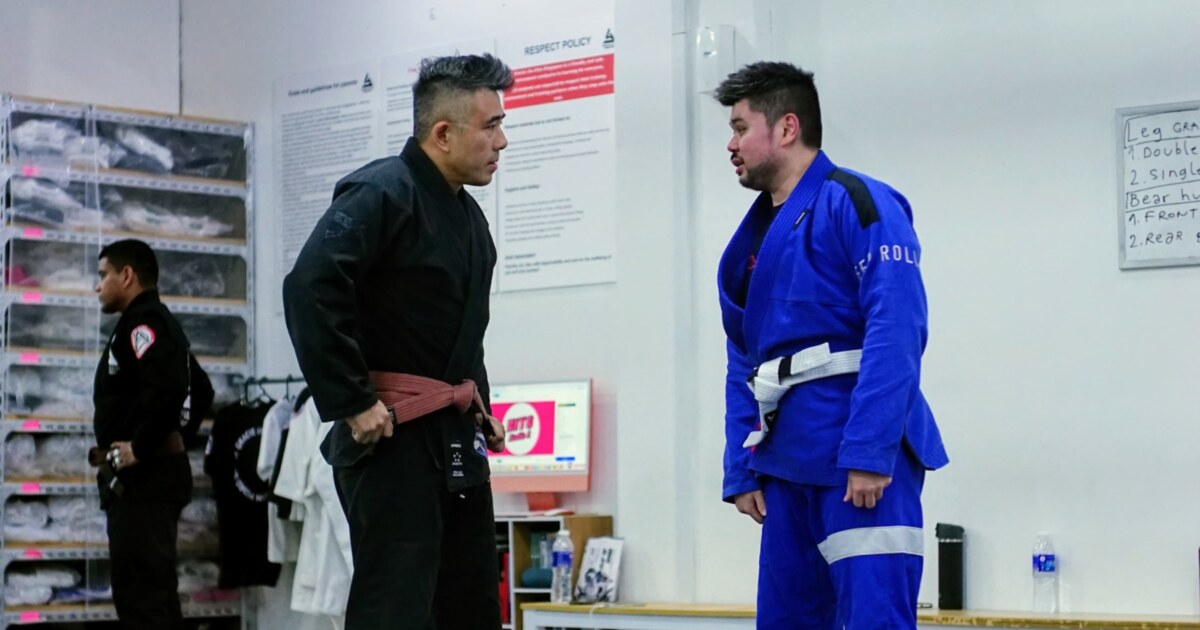
Large differences in size, strength, experience and temperament can raise the risk of an exchange. A responsible academy does not simply tell everyone to find any partner. Coaches consider the purpose of the drill and pair students so that both people can learn with the right level of resistance. For a first lesson, an experienced, controlled partner is often ideal.
Explore Our Programs
Progressive Training Before Intense Sparring
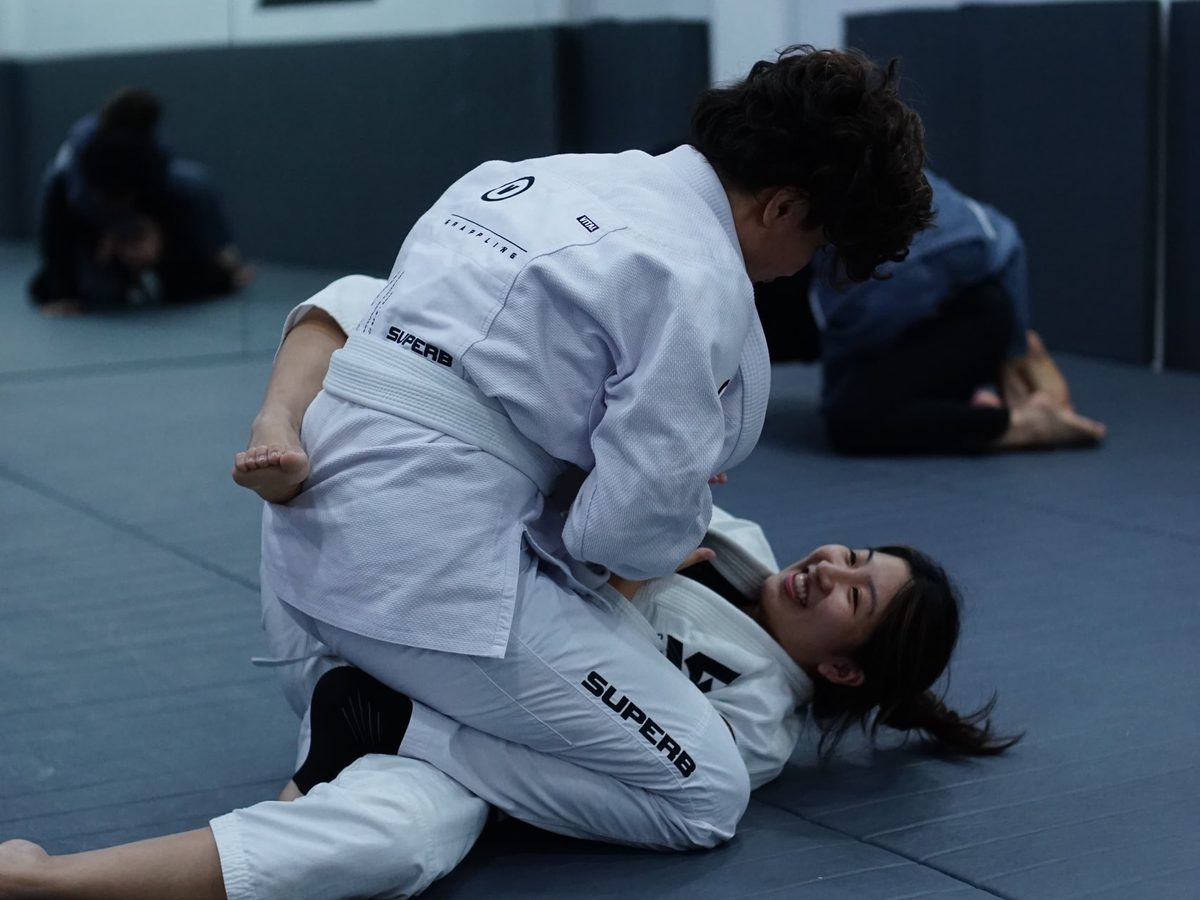
New students need to understand posture, base, safe falling, the common positions and how to stop before the intensity goes up. At GJJ Singapore, the Street Safe programme gives beginners a structured pathway. Controlled live sparring comes later, in the Advanced programme, rather than being the first test put in front of an inexperienced student.
What Beginners Can Do to Reduce Injury Risk
Good habits matter from your first class:
- Tell the coach about any previous injuries before training
- Learn the tapping rules and tap early
- Move at a pace that lets you stay aware of your body
- Avoid explosive twisting when you do not understand the position
- Do not resist a correctly applied submission to prove how tough you are
- Choose technique over strength, and talk to your partner
- Rest when you are unusually tired, and stop if you feel sharp pain
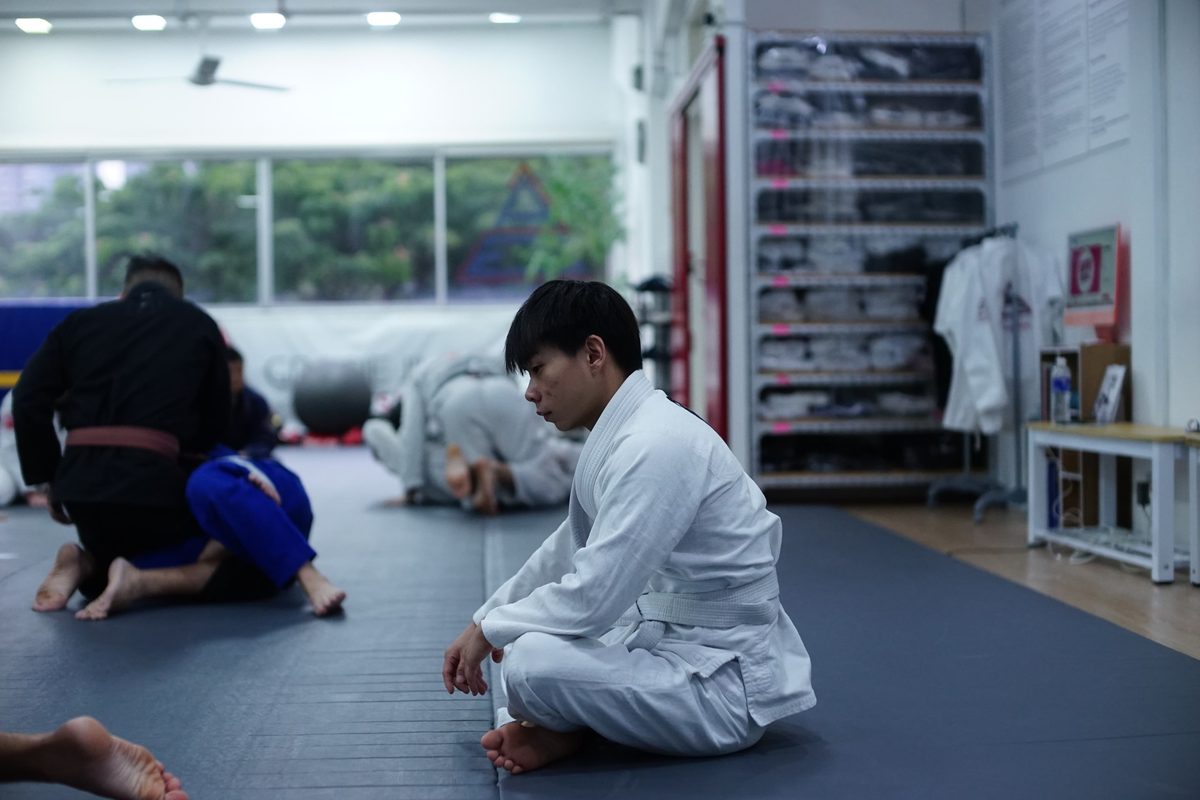
Training Around an Existing Injury
An instructor can modify a drill, but cannot diagnose an injury or overrule medical advice. If you are recovering from surgery, have unresolved joint instability, or have neurological or cardiac symptoms, get appropriate medical guidance before returning. Once you are cleared to train, explain the limitation to both your coach and your partner rather than assuming they will notice it.
Signs of a Responsible BJJ Academy
Look for a training environment where:
- Beginners get a defined introduction instead of being left on their own
- Instructors supervise partner practice and correct unsafe behaviour
- Students release submissions immediately when someone taps
- Intensity is matched to experience and to the goal of the exercise
- The mats and shared equipment are kept clean
- People can decline or stop an exercise without being ridiculed
Safe training is cooperative. Your partner is lending you their body so you can learn, and you are responsible for returning that trust. Technical progress lasts longer when both students leave the mat healthy enough to train again.
Sources
Injury prevalence among Brazilian Jiu-Jitsu practitioners globally: a cross-sectional study in 881 participants. BMJ Open Sport & Exercise Medicine, 2025; 11(1): e002322.
Frequently Asked Questions
Is BJJ dangerous for a complete beginner?
BJJ involves physical contact and cannot be risk-free, but progressive instruction, responsible partner matching, early tapping and controlled intensity make the training environment much safer for beginners.
What does tapping mean in BJJ?
Tapping is the immediate signal to stop a submission or exchange. It can be physical or verbal, and your partner must release straight away.
Do beginners need to spar?
Not straight away. Beginners should first develop positional understanding and safe habits. GJJ Singapore's Street Safe programme focuses on structured fundamentals, and controlled live sparring is introduced later in the Advanced programme.
Should I train BJJ with an existing injury?
Discuss unresolved or serious injuries with an appropriate healthcare professional first. If you are cleared to train, tell the instructor and your partner so exercises can be modified where appropriate.