How Jiu-Jitsu Bully-Proofs Your Child: A Singapore Parent's Guide
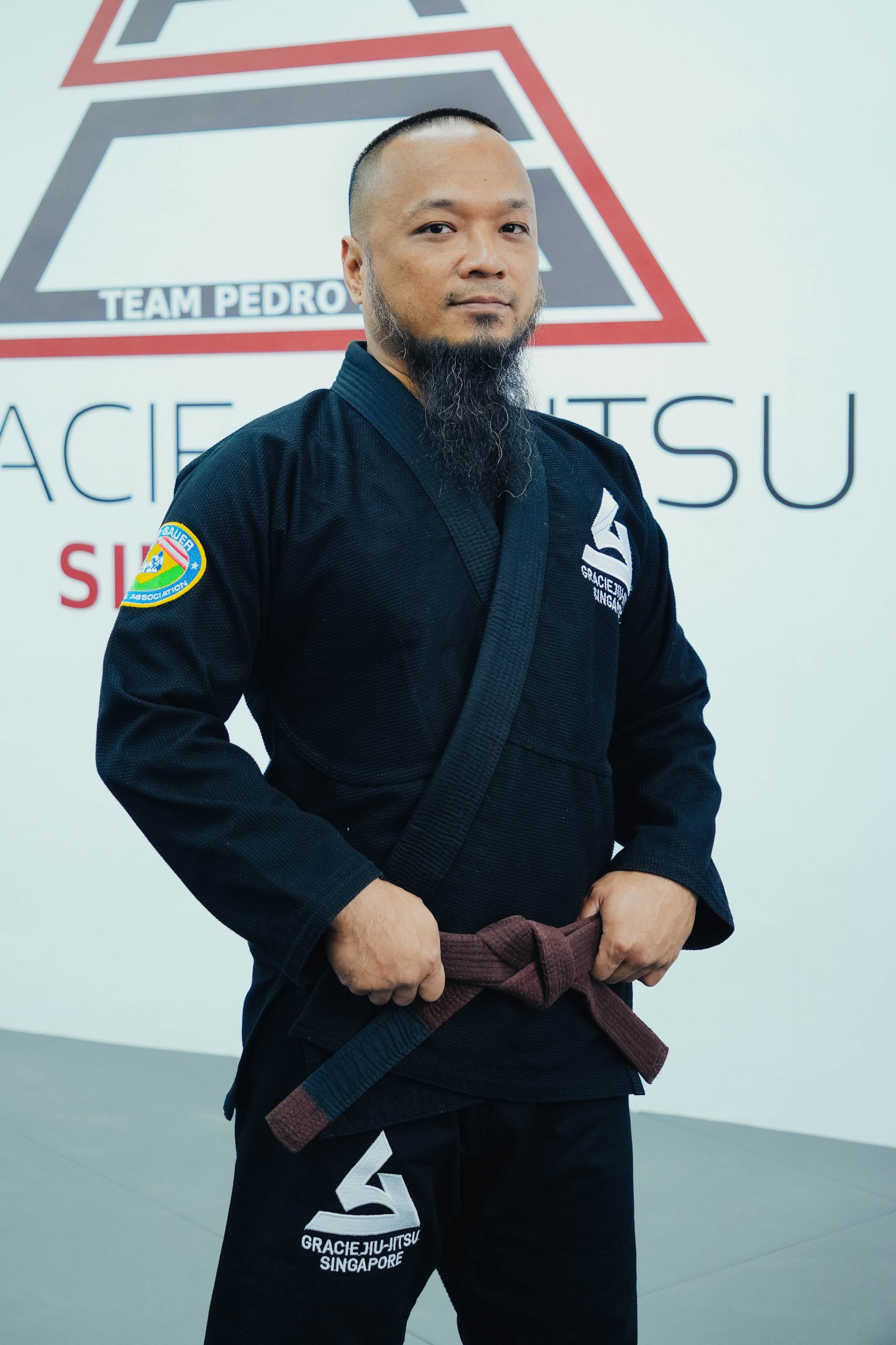
Kids Program Lead, Brown Belt
Bullying remains one of the top concerns for parents in Singapore. According to studies, nearly one in four students in Singapore has experienced some form of bullying. As a parent, the instinct to protect your child is powerful — but you cannot be there every moment. What you can do is give them the tools to protect themselves.
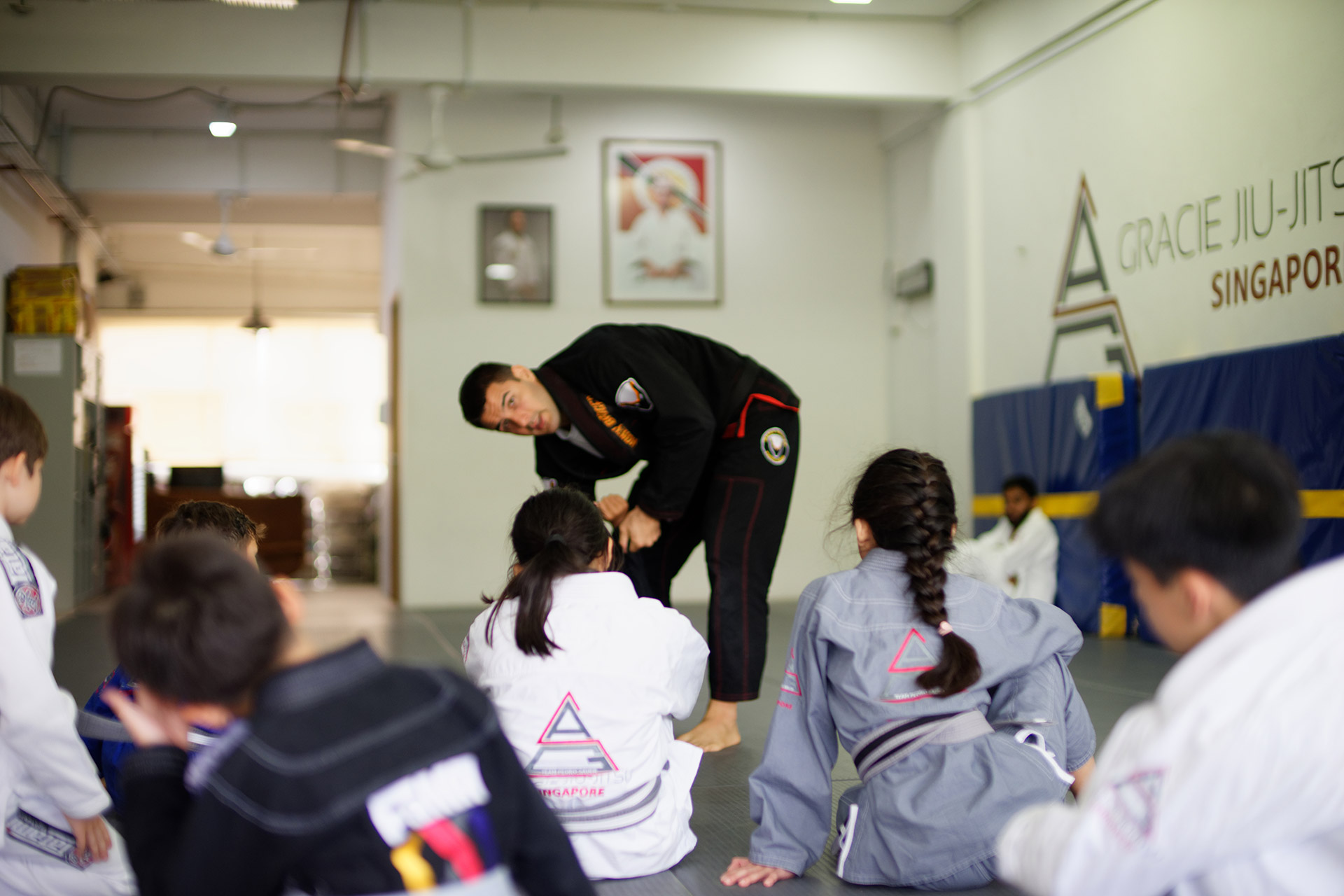
At Gracie Jiu-Jitsu Singapore, we have seen hundreds of children transform from anxious and withdrawn to calm and confident. Our approach to anti-bullying is not about teaching kids to fight — it is about teaching them to neutralise threats without violence, stand tall with confidence, and respond to confrontation with composure.
Why Jiu-Jitsu Is the Best Anti-Bullying Martial Art
Unlike striking-based martial arts such as Taekwondo or Karate, Jiu-Jitsu focuses entirely on control and restraint. A child trained in Jiu-Jitsu can manage a bully without throwing a single punch. This is critical in Singapore's school environment, where zero-tolerance policies mean that children who strike back — even in self-defence — can face disciplinary action.
Here is what makes Jiu-Jitsu uniquely effective against bullying:
- Control without striking — children learn to neutralise aggression through holds and positions, not punches or kicks
- Distance management — the first skill taught is how to maintain safe distance and avoid confrontation entirely
- De-escalation confidence — children who know they can handle a physical situation are far less likely to panic or escalate verbally
- Size does not matter — Jiu-Jitsu was designed for smaller people to control larger opponents through leverage and technique
The Gracie Approach: Verbal and Physical Strategies
The Gracie Jiu-Jitsu curriculum includes structured anti-bullying strategies that go beyond physical technique. Children learn a step-by-step framework for handling confrontation:
Explore Our Programs
The three-step anti-bullying framework:
- Avoid — use awareness and verbal assertiveness to prevent physical confrontation
- Diffuse — use confident body language, eye contact, and clear verbal boundaries to de-escalate
- Defend — if physical contact is unavoidable, use Jiu-Jitsu control techniques to restrain without harming
This approach teaches children that self-defence is a last resort, not a first response. The goal is always to resolve the situation safely — for everyone involved.
Real Results: What Parents Tell Us
“My son used to come home from school upset nearly every week. After three months of Jiu-Jitsu, not only did the bullying stop, but his teachers noticed he was more engaged and confident in class. He did not have to use any physical technique — his posture and confidence alone changed how other kids treated him.”
This is the pattern we see repeatedly. The physical skills matter, but the real transformation is psychological. Children who train in Jiu-Jitsu carry themselves differently. They make eye contact. They speak clearly. Bullies instinctively avoid children who project confidence.
Kids and Tots Programs at GJJ Singapore
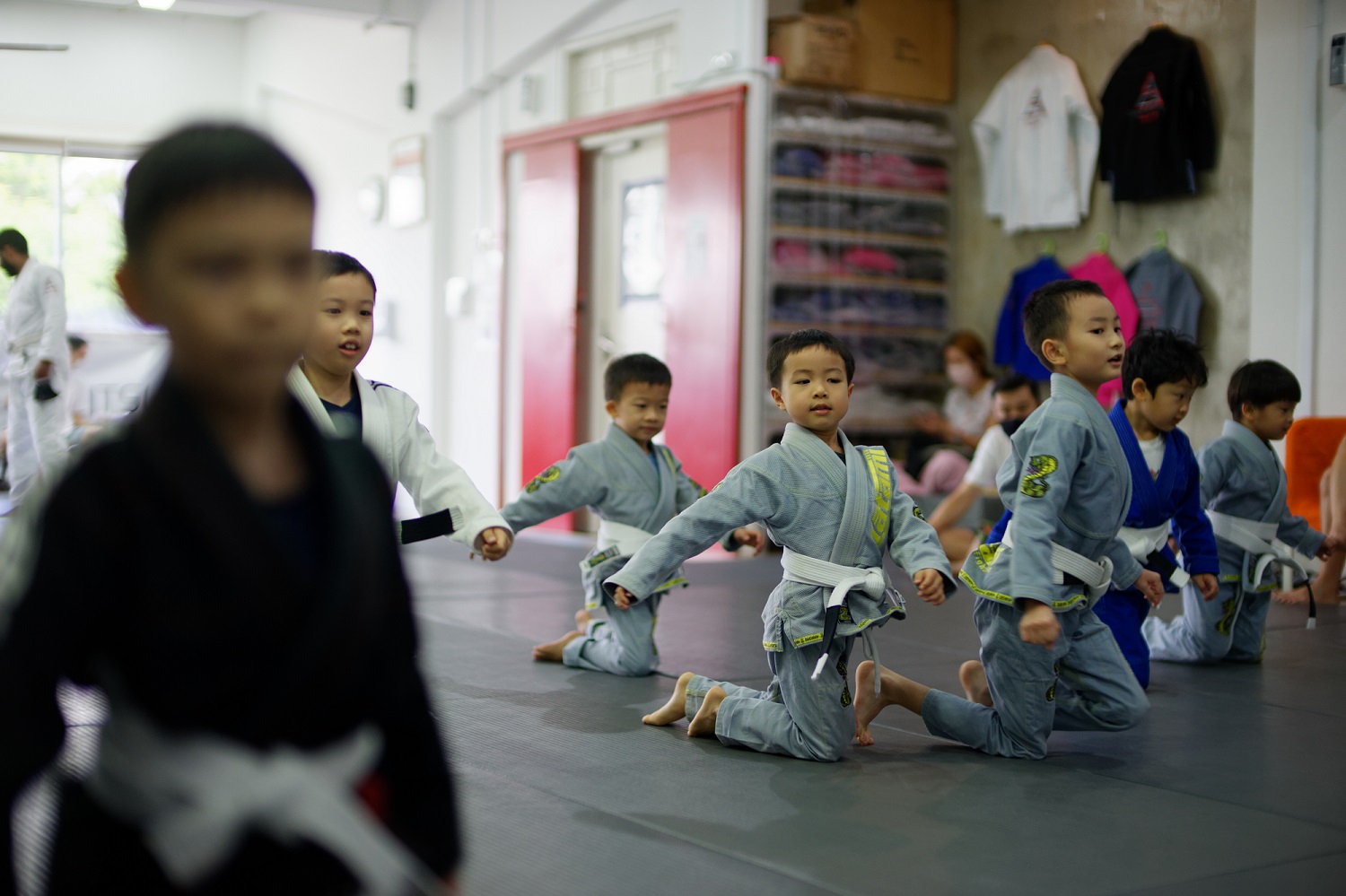
We offer two age-appropriate programs for young children. Our Tots Jiu-Jitsu program is designed for children aged 5 to 7, introducing basic techniques and street safety strategies through games and play. Our Kids Jiu-Jitsu program serves children aged 8 to 12, building on foundational skills with more structured drilling and controlled practice.
Both programs are taught by experienced instructors who specialise in child development. Classes are structured to be fun and engaging — because children learn best when they are having a good time.
Ready to bully-proof your child? Book a free 2-day trial at either our Lavender or Safra Choa Chu Kang location. No experience required, and no commitment — just come and see the difference Jiu-Jitsu can make.
Frequently Asked Questions
Is Jiu-Jitsu too aggressive for my child?
Not at all. Gracie Jiu-Jitsu focuses on control and restraint rather than striking. Children learn to manage confrontation without violence. Our classes are structured, supervised, and designed to be safe and fun for all ages.
How does BJJ handle bullying differently from other martial arts?
Unlike striking arts, Jiu-Jitsu teaches children to control a situation without punching or kicking. This is especially important in Singapore schools where zero-tolerance policies penalise any student who strikes, even in self-defence. Jiu-Jitsu gives children the ability to restrain and de-escalate.
What age can my child start anti-bullying classes at GJJ Singapore?
Our Tots program accepts children from age 5, introducing basic techniques through games and play. Our Kids program is for ages 8 to 12 with more structured training. Both programs include anti-bullying awareness and self-defence strategies.